Safety Line Marking Services in Australia: Industrial, Warehouse & Car Park Solutions
What Is Safety Line Marking?
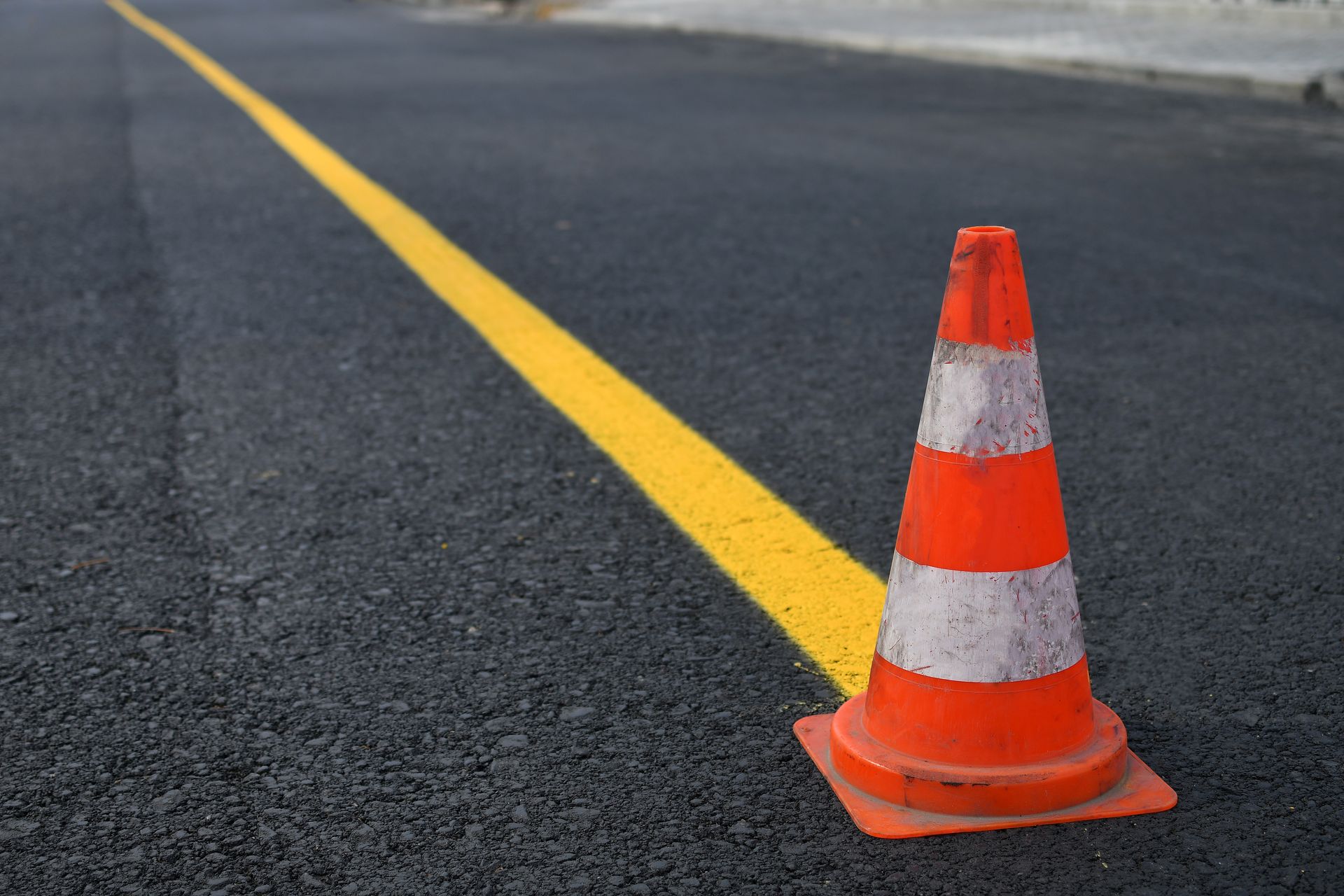
Safety line marking involves applying paint, epoxy, or thermoplastic materials to floors, roads, and surfaces to communicate traffic flow, hazard zones, and designated areas. These visual cues are not just cosmetic. They need to be visible, durable, and correctly placed. They are also a legal requirement under Australian workplace safety regulations, which place the responsibility on employers to maintain a safe environment with clearly marked pathways and exits.
Research suggests that effective safety line markings can reduce workplace accidents by up to 30%. That alone makes them worth the investment.
Industrial Line Marking
Factories, manufacturing plants, and heavy industrial sites have specific marking needs. Workers share space with heavy machinery, forklifts, and moving equipment every day. Without clear visual boundaries, workers are exposed to a significantly higher risk of collision or injury.
Industrial safety line marking services typically include:
- Pedestrian walk ways and work cells separated from vehicle traffic lanes
- Exclusion zones around hazardous equipment or restricted areas
- Colour-coded hazard warnings, signs, and floor markings for high-risk sections
Colour coding plays a key role here. Yellow lines indicate pedestrian paths and caution areas. Red marks danger zones, fire safety equipment, and emergency exits. Black and yellow stripes signal physical hazards requiring extra care.
Most industrial projects also involve Safe Work Method Statements (SWMS) and require contractors to wear appropriate personal protective equipment (PPE) on site. The markings themselves need to stand up to demanding conditions and test the limits of standard commercial paints. A reputable line marking company will have these processes in place before work begins.
For heavy traffic areas, industrial-strength paint is the right choice. Epoxy coatings are widely recommended for interior floors due to their durability and resistance to chemicals, oils, and constant foot or vehicle traffic.
A forklift driver who can't see the pedestrian lane. A visitor who parks across the fire exit. A worker who steps into a restricted zone because nothing told them not to. These are not freak accidents. They are the predictable result of surfaces that were never properly marked.
Safety line marking is how a site communicates. It replaces guesswork with clarity, and confusion with confidence. In Australia, it is also a legal obligation under occupational health and safety law, meaning the stakes go beyond productivity and into real liability.
Whether you are running a factory floor, a distribution warehouse, a commercial car park, or sporting courts, this guide covers all aspects of what professional safety line marking involves, what materials and standards apply, and what a properly marked site actually looks like in practice, whether you are based in New South Wales or anywhere else across the country.
Warehouse Line Marking
Warehouses operate at pace. Forklifts, pallet jacks, and pedestrians often share tight spaces, which makes clear floor markings critical for both safety and efficiency. Our clients in warehousing and logistics regularly come to us with special requirements, from unique designs that reflect their internal workflows to specific aisle configurations.
Warehouse line marking supports the 5S methodology used by many operations teams. This approach focuses on Sort, Set in Order, Shine, Standardise, and Sustain. Proper floor markings support the second and fourth S by creating visual standards that every worker can follow at a glance.
Recommended warehouse markings include:
- Walkway lines wide enough to allow safe, unobstructed passage. AS 1657 sets a 600mm minimum for fixed walkways, though most industry practitioners recommend wider clearances depending on traffic volume and the size of equipment in use
- Forklift traffic lanes clearly separated from pedestrian zones
- Pallet rack aisle clearances marked to prevent unsafe stacking or blocking
- Exclusion zones around loading docks, machinery, and high-risk areas
For warehouse floors, epoxy paint is the preferred material. It is durable enough to handle heavy loads, resists spills, and maintains visibility over time, which is important in environments where forklifts and pallet jacks run daily routes.
The Line Marking Process
Every line marking project is different, but each follows the same structured process from start to complete, with attention to detail at every stage:
- Pre-site inspection to assess surface condition, existing markings, and safety requirements
- Site measurement and layout planning to map out markings accurately
- Permit and traffic management arrangements, particularly for car parks or public areas
- Surface preparation, including cleaning, grinding, removal of old markings, or patching as needed
- Application of paint, epoxy, or thermoplastic markings to agreed specifications
- Curing time and quality checks to test adhesion, visibility, and accuracy
Proper surface preparation is essential. Paint applied to a dirty, damp, or damaged surface will peel or fade prematurely, costing more to fix later.
Car Park Line Marking
Car parks benefit enormously from well-planned safety line marking. For many businesses, the car park is the first thing customers see. And poor markings make a poor first impression. Clear bay layouts, directional arrows, and pedestrian paths keep traffic moving and reduce the risk of collisions or near-misses.
A professional car park service includes:
- Standard parking bay layouts to maximise capacity and flow
- Disabled parking bays compliant with the Disability Discrimination Act 1992 and AS/NZS 2890.6 (Off-Street Parking for People with Disabilities)
- Designated bays for staff, visitors, or specific vehicles
- Reflective paint and directional signs for low-light and outdoor environments, improving visibility at night or in covered car parks
For outdoor surfaces, reflective thermoplastic or paint is strongly recommended. It maintains visibility in all light conditions, which is particularly important in facilities that operate after dark.
Wheel Stops and Speed Humps
Line marking often goes hand in hand with physical safety infrastructure. Wheel stops and speed humps help manage vehicle movement and protect both people and property.
Wheel Stops
Wheel stops are available in rubber and concrete. Rubber options are lighter and easier to relocate, and removal is straightforward if layouts change. Concrete versions are more permanent and can stand up to heavier vehicle loads. Both should be placed with reflective strips to maintain visibility at night. Installation must be carried out carefully to avoid creating trip hazards for pedestrians.
Speed Humps
Speed humps slow vehicles in busy shared zones. Design options range from low-profile humps for light traffic to heavier-duty profiles for industrial vehicles. All speed humps should be clearly marked with yellow striping and accompanied by signs and appropriate safety markings.
Exclusion Zones and Safety Lines
Exclusion zones are defined areas where access is restricted, either permanently or during specific activities. These are common around electrical panels, chemical storage, heavy machinery, and emergency equipment.
Markings for exclusion zones typically use red or red-and-white striping, combined with clear signage. Line widths should conform to relevant Australian standards, and signage must reinforce the restrictions so there is no ambiguity. When operational layouts change, timely removal of outdated zone markings is just as important as applying new ones — old or contradictory markings create confusion and risk.
Materials, Paints, and Maintenance
Choosing the right materials affects how long your safety line markings last and how much maintenance they require. We only work with high quality materials, and our raw materials are selected for durability and performance.
- Epoxy paint is ideal for interior heavy-traffic floors
- Reflective thermoplastic suits outdoor or low-light environments
- Anti-slip coatings add grip on ramps, wet areas, or high-pedestrian zones
- Stencilled lettering supports understanding of markings in complex environments
Regular maintenance is just as important as the initial application. Inspections every six to twelve months are recommended, particularly in high-traffic zones. Faded or peeling markings should be touched up promptly. Staying on top of maintenance is more cost-effective than a full re-mark and keeps you compliant between major repaints.
Pricing and Quotes
The cost of line marking varies based on project size, materials, location, and complexity. A small car park re-mark will cost considerably less than a full industrial facility layout. For this reason, site-specific quotes are always more accurate than general estimates.
Most professional line marking companies offer two pricing options:
- Fixed-price quotes for well-defined, straightforward projects
- Time-and-materials pricing for larger or more complex jobs
The best way to get an accurate quote is to contact a Wollongong line marking provider directly for a free, no-obligation on-site assessment. This allows them to measure the space, assess the surface, and provide a quote with no hidden costs. Warranty and durability expectations should always be discussed upfront.
Safety Standards and Compliance
Australian workplaces are governed by the Work Health and Safety Act and relevant state or territory regulations. Employers have a legal obligation to maintain safe working environments, which includes well-marked exits, walkways, and hazard zones.
Consistent safety line marking colour coding across your facility makes it easier for everyone, including new workers and contractors, to interpret markings quickly and correctly. Keeping records of inspections and maintenance schedules supports compliance and demonstrates due diligence if an incident ever occurs. We work closely with our clients to ensure their documentation is in order alongside their markings.
Trust KNK Line Marking for Your Next Project
Line marking sounds simple. In practice, it requires surface knowledge, compliance awareness, material selection, traffic management, and an eye for layout that works under real-world conditions, not just on paper.
At KNK Line Marking, we bring all of that to every project. Our commitment to quality work and transparent pricing is what sets us apart. We work across industrial facilities, warehouses, car parks, and commercial sites throughout Australia, handling everything from the initial on-site consultation through to final quality checks. No subcontracting. No shortcuts on surface prep. No vague quotes that blow out on the day.
We offer a free, no-obligation on-site assessment with transparent, fixed pricing and no hidden costs. If your markings are faded, non-compliant, or simply never done properly in the first place, we make it easy to fix that.
Don't hesitate to contact the KNK Line Marking team. We will sort out a time that works around your business.
KNK Line Marking offers professional line marking services across Wollongong, the Illawarra, and the surrounding areas. Projects include car parks, factories, warehouses, schools, and roads.
Thanks for reading this blog post.
If your site is due for a refresh, KNK Line Marking is Wollongong's trusted line marking crew, servicing car parks, warehouses, schools, roads, and more. We'd love to help.